

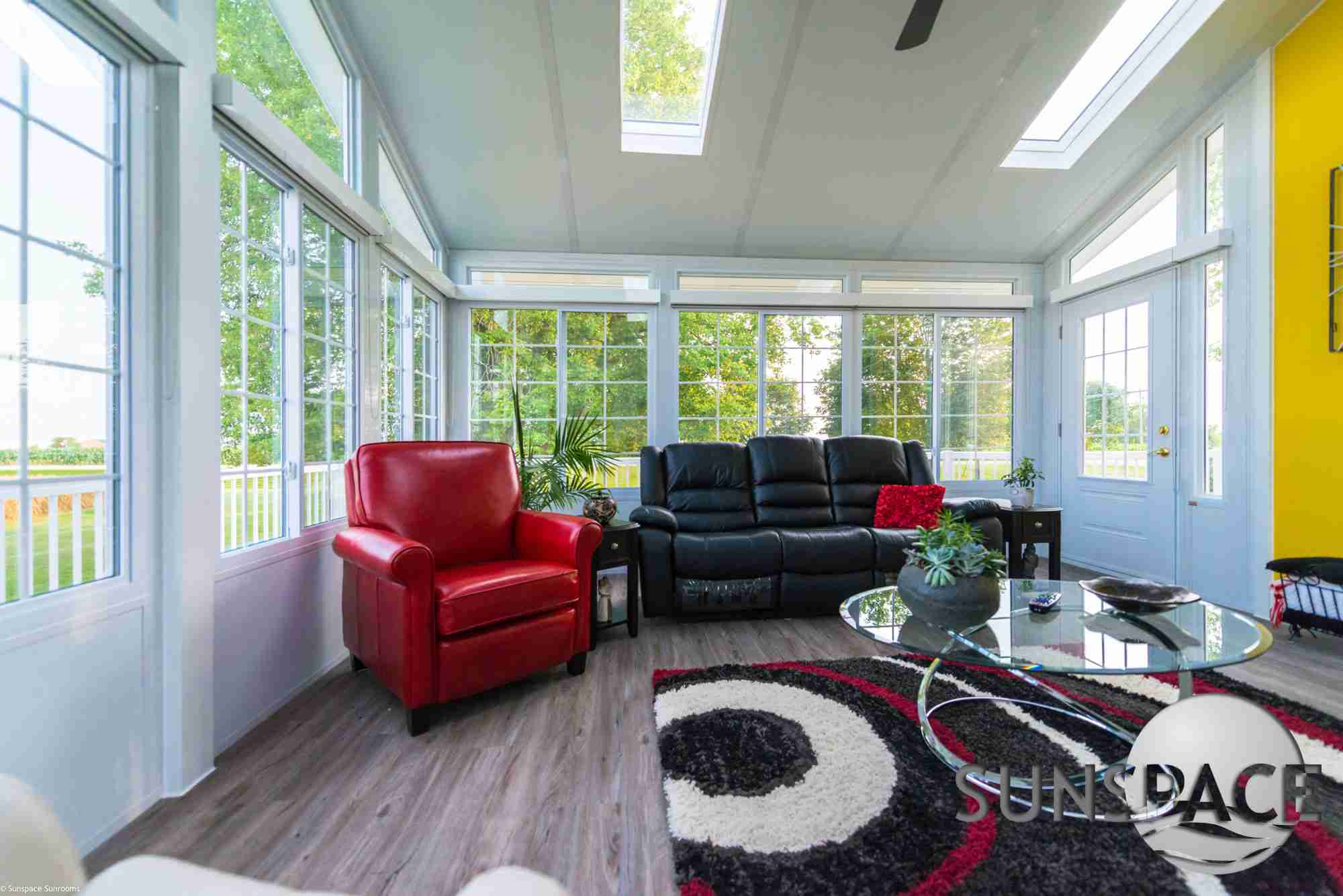
If you’re planning a sunroom in Jefferson County, it can be confusing to know which permits, codes, and inspections apply to your home in or around Birmingham. Many homeowners feel the same way, which is why this guide explains everything in clear and simple steps. You’ll learn who issues the permit, which building code edition applies, and what plan sheets reviewers expect for porch enclosures and four-season rooms.
If you’re working with a sunroom contractor Birmingham homeowners trust, you already know how much easier the process is when your plans are clean and well-organized.
By the end, you’ll understand the rules for sunroom permits and building codes in Jefferson County, Alabama, and how to submit a complete package that avoids delays.
Do You Need a Permit for a Sunroom in Alabama?
Yes. In Jefferson County, you need a building permit for sunrooms, covered porches, additions, and most types of new residential construction. If your home is in an unincorporated part of the county, you will use Jefferson County Development Services. If you live inside Birmingham city limits, your permits go through the City of Birmingham Planning, Engineering, and Permits (PEP) department.
Which Building Code Applies?
Jefferson County uses the 2018 International Residential Code (IRC) for one- and two-family homes. Energy rules follow the Alabama Residential Energy Code, which is based on the 2015 IECC with state amendments from July 9, 2020.
The City of Birmingham uses the 2021 IRC, which includes updated glazing rules, span tables, electrical requirements, and structural details.
Across Alabama, energy rules follow the 2015 IECC, so window and insulation requirements depend on whether your sunroom is heated or unheated.
What to Include in Your Plan Set
Jefferson County’s guidelines for residential additions also apply to sunrooms. Your plan package should include:
- Floor plans
- Elevations
- Foundation details
- Grade beam information
- Wall sections from the footing to the roof
- Joist and rafter sizes and spans
- Bracing and anchoring details
- Electrical layout for lights, outlets, and fans
You also need a site plan or survey showing distances to property lines. Label what is existing and what is new on every sheet. Before your foundation inspection, complete a final foundation survey, which your surveyor can prepare early.
Zoning, Sewer, and Site Constraints
Check your zoning rules before you design. Jefferson County Zoning Regulations list setbacks and lot coverage limits for homes outside Birmingham. Homes inside Birmingham must follow the city’s zoning rules.
If your property is in a flood zone, you may need extra documents, elevation details, or design changes. Handle these early to avoid delays later.
How the Permit Process Works
For unincorporated Jefferson County homes, use the ePermitJC portal. You’ll create an account, upload plans, pay fees, and schedule inspections online.
For Birmingham homes, use the city’s permitting system through the PEP department, which handles building permits, trade permits, and plan reviews.
Both the county and city will review your plans for code compliance before issuing the permit. After approval, you can schedule inspections through the portal, IVR phone system, or SelectTXT messaging using your permit number.
Sunroom Code Requirements You Should Know
- Safety glazing: Areas near doors, near the floor, or in hazardous locations may require tempered glass.
- Energy code: A heated four-season sunroom must follow Alabama energy rules, which include insulation and window performance requirements.
- Electrical rules: Your plan must show GFCI and AFCI locations, plus lights, fans, and outlets.
- Structural details: Plans must show footing sizes, structural connections, roof tie-ins, and spans so reviewers can check load paths.
Timelines, Inspections, and Common Pitfalls
Plan review times vary based on workload and how complete your plans are. Clear drawings and labeled sheets help avoid rejections.
Typical inspections include footing or foundation, framing, electrical, mechanical (if used), and final inspection.
Common delays happen when:
- Distances to property lines are missing
- Foundation details are unclear
- Sheets do not show what exists vs. new
- Window and door energy data are missing for conditioned rooms
- Structural loads and connections are not clear
Quick Reference Table
| Topic | Where to Go | What to Know |
|---|---|---|
| Unincorporated permits | ePermitJC online portal | Create an account, upload plans, pay fees, track status, and schedule inspections. |
| Birmingham permits | City of Birmingham PEP | City handles all building and trade permits and plan reviews inside city limits. |
| County code edition | Jefferson County – 2018 IRC with amendments | The county uses the 2018 IRC and the Alabama Residential Energy Code for additions. |
| City code edition | City of Birmingham – 2021 IRC | Birmingham adopts the 2021 IRC with local modifications. |
| Plan content | Jefferson County plan requirements | Include floor plans, elevations, foundation, wall sections, spans, anchoring, electrical, and label existing vs. new. |
| Inspections | County IVR & SelectTXT | Use your permit number and 3-digit inspection codes to schedule inspections. |
Final Thoughts and Next Steps
The easiest way to get a quick approval is to match your plan set to the county or city checklist, use the correct IRC edition for your address, and include enough structural and energy detail to answer reviewer questions the first time.
If you want a quick review before submitting, reach out to Alabama Porch and Patio. Our team works with Jefferson County and Birmingham reviewers often and can help you avoid delays and rejections.