

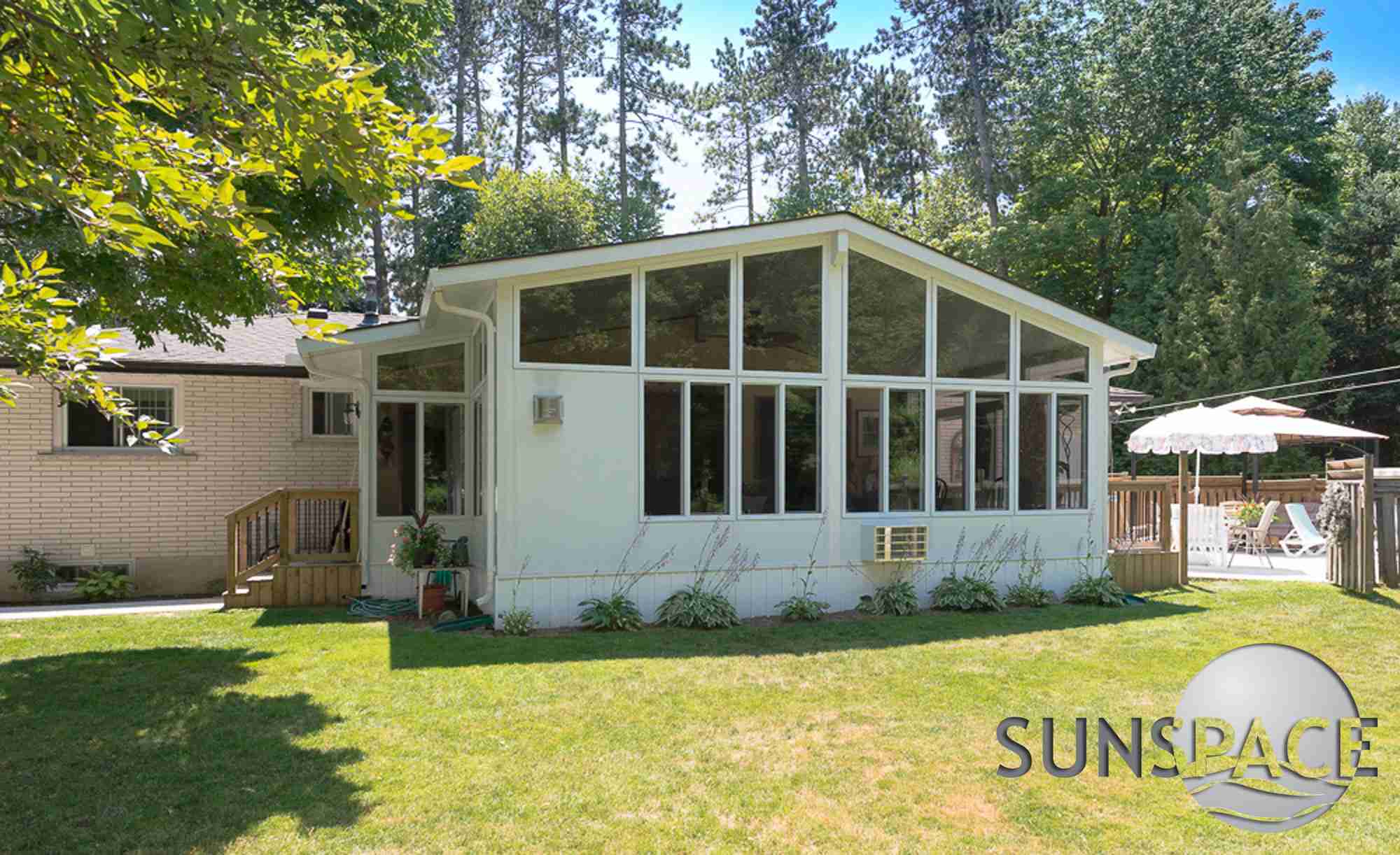
If your Birmingham sunroom feels great in spring but turns into a sauna by mid-summer, you’re not alone. Alabama heat and humidity can make any glass room uncomfortable. The good news is that you can cool it down with better glass, smarter airflow, simple shade, and the right cooling unit. This guide gives you practical steps and clear specs for sunroom design in hot Alabama summers.
If you want ideas based on your home and budget, you can book a quick, friendly consult for sunroom design help in Birmingham with Alabama Porch and Patio.
Why Does Birmingham Heat Overwhelm Sunrooms?
Summer days in Birmingham often reach the low 90s, and the air stays humid. Large glass areas absorb sunlight, and high humidity makes the room feel hotter than the actual temperature. Even when the thermostat says 82 to 85 degrees, a sunroom can feel much warmer because sweat does not evaporate well in humid air. Birmingham sits in a mixed-humid climate zone, including IECC Zone 3A counties like Jefferson.
Sunrooms here need shade, solar control, real ventilation, and dehumidification. Tips from dry climates usually do not work the same way here because moisture changes how air moves and how your body feels heat.
What Glass Keeps Heat Out?
Low-E insulated glass and a low Solar Heat Gain Coefficient (SHGC) help block heat while allowing daylight in. This keeps the room bright without letting the sun cook the space. For south- and west-facing walls, an SHGC between 0.17 and 0.35 works best. It cuts the harsh afternoon sun and helps keep temperatures steadier. Also check the U-factor, which shows how well the window insulates.
A lower U-factor helps control heat in summer and reduces condensation on cooler mornings. Spectrally selective Low-E coatings block heat but still let in natural light, so the room stays bright instead of dark. If you want an easy guide later, ENERGY STAR and the Department of Energy have simple explainers for window ratings.
How Do You Set Up Ventilation That Works?
Good airflow can make a big difference. Place low windows or vents on the side of the house that gets the breeze. Then add higher openings on the opposite side or near the roof. Hot air rises and escapes through the high openings, pulling cooler air inside through the lower ones. If you add clerestory windows or a roof vent, you increase this effect.
Make sure your inlet and outlet sizes are balanced. A tiny vent paired with a huge window will not move air well. Screens and louvers also reduce airflow, so size openings generously.
Which Fans and AC Help Most?
Ceiling fans don’t lower the temperature, but they help your body feel cooler by moving air across your skin. For a medium-sized sunroom, look for a fan with about 1,600 to 3,800 CFM so airflow reaches the whole room. On very hot and humid days, a ductless mini-split AC works best. It cools the room and removes moisture, which many central AC systems cannot do well for a glass-heavy sunroom. Sunrooms often need more cooling power than indoor rooms of the same size.
Many Birmingham sunrooms end up with a 12,000 to 18,000 BTU unit, depending on the amount of glass and how much afternoon sun they get. Ask your contractor for a Manual J load calculation. This sizing method considers window area, SHGC, direction, ceiling height, and other details so your unit doesn’t short-cycle or miss moisture removal.
What Shade and Layout Changes Help?
Shade can reduce heat more than almost any other upgrade. If possible, keep most glass away from west-facing walls. If that’s not an option, add exterior shade such as awnings, overhangs, or even well-placed outdoor screens. Exterior shade stops heat before it reaches the glass. Flooring with thermal mass, like tile or concrete, absorbs heat during the day and releases it later. Combined with evening ventilation, this helps even out temperature swings. Overhangs can block high summer sun while still letting lower winter sun in, which keeps the room bright without overheating.
Quick Specs at a Glance
- Glass: Low-E insulated glass with SHGC around 0.17–0.35 on south and west walls. Cuts the heat before it enters.
- Venting: Low inlets + high outlets. Uses natural airflow and rising heat to move air.
- Ceiling fan: 1,600–3,800 CFM for medium rooms. Improves comfort by boosting evaporation.
- Mini-split: 12k–18k BTU for most glass-heavy rooms. Cools and dehumidifies.
- Controls: Easy-to-reach openings and switches. Helps you use vents and shade daily.
Short Checklist
- Choose Low-E glass with a low SHGC on west and south walls.
- Add exterior shade where late-day sun is strongest.
- Create a low-to-high vent path for natural airflow.
- Pick a ceiling fan that moves air across the whole room.
- Right-size a mini-split using a Manual J calculation.
How Do You Put It All Together?
Think in layers. Start with good glass and shade where the sun hits hardest. Add a vent path you can open quickly. Choose a fan that keeps the whole room comfortable. Finish with a mini-split that cools and dries the air on the hottest days. Every home is different, so a quick site review helps you find the biggest wins without a major rebuild. Often, one or two smart changes fix the main comfort issues.
FAQs
Can I tie my sunroom into my central AC?
Sometimes, but many central systems are not sized for the extra heat from a glass room. A ductless mini-split is usually better for cooling and dehumidifying.
What SHGC is best for west-facing glass?
In Birmingham, aim for 0.17–0.35 to reduce strong afternoon heat without losing natural light.
Are interior shades enough?
Interior shades help with glare, but they don’t stop heat before it enters. Exterior shade or low-SHGC glass works better.
How big should my ceiling fan be?
For medium rooms, choose a fan with 1,600–3,800 CFM. Check the fan’s rating and your ceiling height.
What size mini-split do I need?
Most sunrooms with lots of glass need 12,000–18,000 BTUs, but a Manual J load calculation is the best way to size it.
Do I need permits for sunroom changes in Birmingham?
You may need permits for new construction or major electrical or mechanical work. Smaller shade or glass upgrades may not require permits. A quick call to the building department can confirm.
Your Friendly Next Step
Want a simple plan for your sunroom? Schedule a friendly review with Alabama Porch and Patio. You will get clear specs, a step-by-step sequence, and practical options you can use right away.